
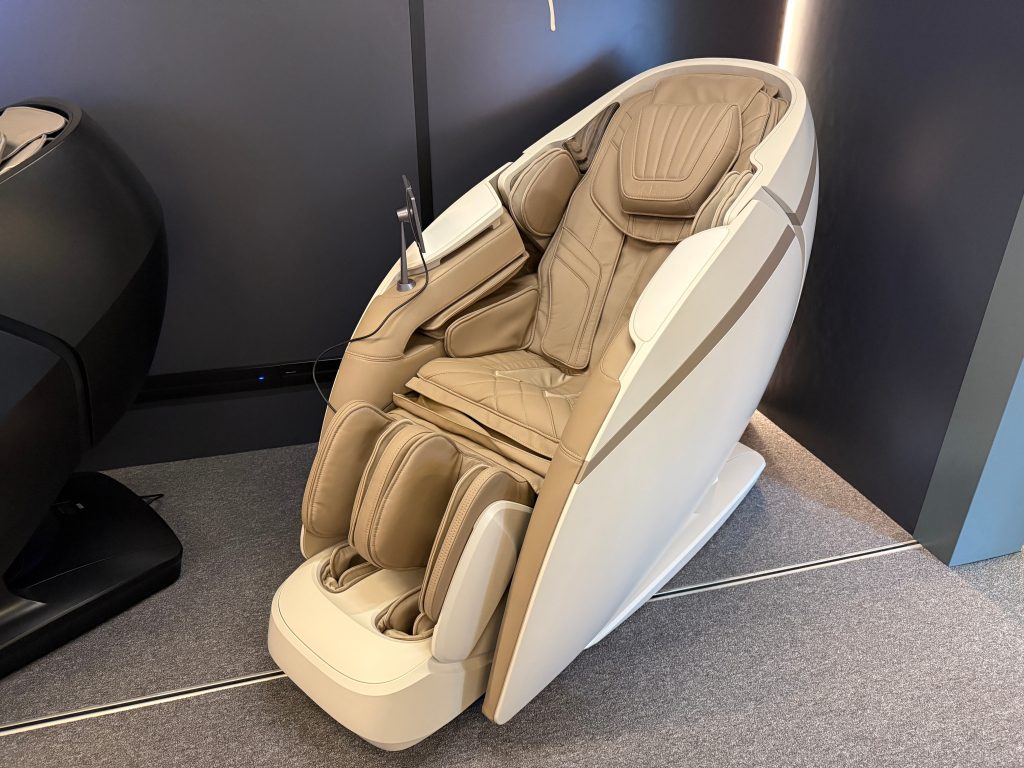
What Makes a Massage Chair Feel Like a Real Massage?
A massage chair that feels like a real massage is the result of advanced technology, thoughtful design, and an understanding of human anatomy and massage techniques. The sensation of a genuine massage involves more than just pressure; it encompasses rhythm, variation, targeted muscle relief, and the ability to adapt to individual needs. Several key factors contribute to making a massage chair replicate the experience of a skilled human masseuse.
First and foremost, the mechanism responsible for delivering the massage plays a crucial role. High-quality massage chairs use sophisticated rollers that move in multiple directions-up and down, side to side, and even circular motions-to mimic hand movements such as kneading, tapping, rolling, shiatsu pressing, and squeezing. These rollers are often designed with varying textures or materials to simulate fingers or palms effectively. Additionally, some chairs incorporate airbags that inflate and deflate rhythmically around different parts of the body like calves, thighs, arms, or shoulders. This mimics compression techniques used by professional therapists.
Another important aspect is customization. Real massages are tailored based on muscle tension levels and personal preferences; similarly, top-tier massage chairs offer adjustable intensity settings along with options for specific body zones or types of massages. Some models include body scanning technology that maps out the user’s back curvature and identifies pressure points before starting the session. This ensures that rollers target exact areas requiring attention rather than applying uniform pressure across all muscles indiscriminately.
The timing and flow during a session also contribute significantly to realism. Human hands naturally vary their speed and force depending on muscle tightness or relaxation stages within one treatment period. Advanced chairs replicate this dynamic process by alternating between slow deep-tissue strokes for loosening knots followed by quicker rhythmic taps promoting blood circulation.
Temperature control adds another layer of authenticity; heated elements embedded in lumbar regions help relax muscles further while enhancing comfort much like warm towels used in spas.
Sound design can subtly influence perception too-some manufacturers integrate calming nature sounds synchronized with motion patterns creating an immersive environment similar to being in a tranquil spa room.
Finally yet importantly is ergonomic support ensuring proper posture alignment throughout usage which prevents strain allowing users to fully benefit from each movement without discomfort.
In conclusion, what makes a massage chair reviews lies in its ability to combine mechanical precision with adaptive responsiveness closely imitating human touch nuances through roller mechanics combined with air compression systems enhanced by intelligent sensors offering personalized therapy sessions complemented by warmth comfort features-all working harmoniously together creating an experience remarkably close to receiving care from an expert masseuse.