
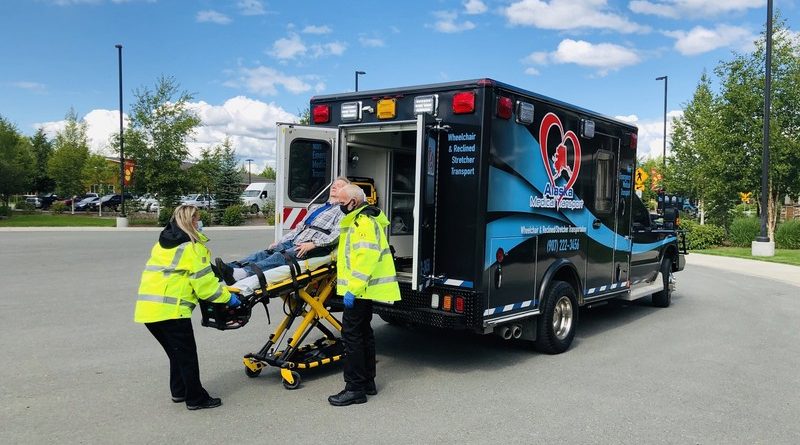
Safety Considerations for Preparing Seniors Medical Transport Services
Ensuring safety during the preparation of medical transport services for seniors is a critical aspect that requires careful attention and planning. Seniors often have unique health needs and mobility challenges, making it essential to address these factors thoroughly before arranging transportation. One of the primary considerations involves assessing the individual’s medical condition and mobility status. Understanding whether the senior uses assistive devices such as wheelchairs, walkers, or oxygen tanks helps determine the type of vehicle and equipment necessary for safe transport. Coordination with healthcare providers ensures that any special requirements, including medication schedules or emergency protocols, are clearly communicated to transport personnel.
The choice of transportation service should prioritize vehicles equipped with features designed specifically for seniors’ comfort and safety. These may include wheelchair lifts, secure seating arrangements, seat belts adapted for different body types, and climate control systems to maintain appropriate temperatures throughout the journey. Drivers must be trained not only in defensive driving techniques but also in assisting seniors with boarding and exiting vehicles safely. This training should cover sensitivity to physical limitations as well as recognizing signs of distress or discomfort during transit.
Scheduling plays an important role in minimizing risks associated with medical transport. Avoiding peak traffic hours reduces click now travel time and exposure to stressful driving conditions that could impact a senior’s well-being. It is equally important to allow extra time for loading and unloading processes so that neither speed nor pressure compromises safety measures. Communication between family members or caregivers, healthcare providers, and transportation staff ensures everyone involved remains informed about pick-up times, routes taken, estimated arrival times at destinations such as hospitals or clinics, and any changes due to unforeseen circumstances.
Emergency preparedness cannot be overlooked when preparing seniors’ medical transportation services. Vehicles should carry first aid kits along with basic medical supplies tailored to common issues faced by elderly passengers. Transport staff need clear instructions on how to respond promptly if a passenger experiences sudden illness or injury en route. Establishing direct communication channels between drivers and emergency responders enhances response efficiency.
Finally, privacy considerations must be respected throughout the process since many seniors value dignity alongside safety during their travels for medical purposes. Confidential handling of personal health information during scheduling or while accompanying seniors helps build trust among all parties involved.
In summary, preparing safe medical transport services for seniors demands comprehensive evaluation of health needs, selection of suitable vehicles equipped appropriately, skilled personnel training focused on elderly care specifics, thoughtful scheduling strategies aimed at reducing stressors related to travel timeframes plus robust emergency plans coupled with respect toward privacy concerns-all combining effectively toward ensuring secure journeys tailored specifically for older adults requiring specialized care outside their homes.