
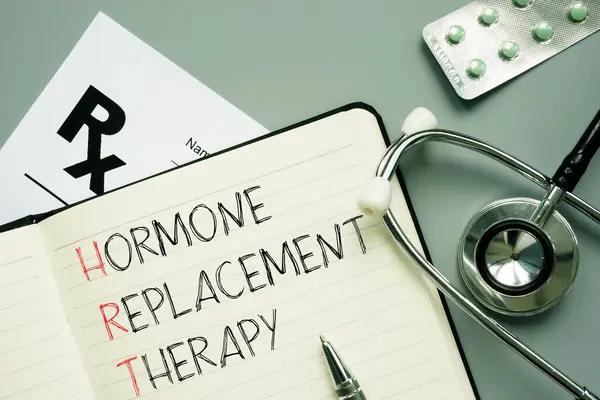
Why a Testosterone Therapy Clinic Is Better Than DIY Hormone Use
Testosterone therapy has gained significant attention as a treatment for men experiencing low testosterone levels, often associated with symptoms such as fatigue, reduced muscle mass, and decreased libido. While the idea of self-administering hormone treatments may seem convenient or cost-effective, opting for a professional testosterone therapy clinic offers numerous advantages that ensure safety, effectiveness, and long-term health benefits. One of the primary reasons to choose a specialized clinic over do-it-yourself (DIY) hormone use is the comprehensive medical evaluation provided by healthcare professionals. Before beginning any hormone replacement regimen, it is essential to undergo thorough testing to accurately diagnose low testosterone levels and rule out other underlying health conditions that might mimic similar symptoms. A clinic will perform blood tests and physical examinations to tailor treatments specifically to an individual’s needs rather than relying on guesswork or generalized dosing.
In addition to accurate diagnosis, clinics offer personalized testosterone treatment plans designed by experienced endocrinologists or urologists who understand the complexities of hormone balance in the body. These experts consider factors such as age, overall health status, lifestyle habits, and specific symptom patterns when determining dosage and administration methods. This individualized approach minimizes risks associated with improper dosing seen in DIY scenarios where users might either underdose-leading to ineffective results-or overdose-which can cause serious side effects like cardiovascular problems or hormonal imbalances.
Another critical benefit of receiving care from a testosterone therapy clinic is ongoing monitoring throughout treatment. Hormone levels need regular assessment because they can fluctuate due to various factors including stress, diet changes, or concurrent medications. Clinics schedule follow-up appointments for lab work and clinical evaluations to adjust dosages accordingly and address any emerging issues promptly. This continuous supervision reduces potential complications while maximizing therapeutic outcomes.
Safety protocols within clinics also include education about possible side effects and interactions with other medications or health conditions. Patients receive guidance on lifestyle modifications that complement hormone therapy such as exercise routines and nutritional advice tailored toward enhancing overall well-being alongside hormonal improvements.
Conversely, DIY hormone use often lacks these safeguards; individuals may source hormones from unreliable suppliers without quality control measures leading to contamination risks or incorrect formulations. Self-administration without professional oversight increases chances of adverse reactions going unnoticed until they become severe.
In summary, choosing a dedicated testosterone therapy clinic ensures scientifically grounded diagnosis, customized treatment plans based on expert knowledge, vigilant monitoring during therapy progression, and comprehensive patient education-all essential components missing in unregulated DIY approaches. Prioritizing professional care not only enhances safety but also optimizes results for those seeking effective management of low testosterone symptoms through medically supervised interventions.