
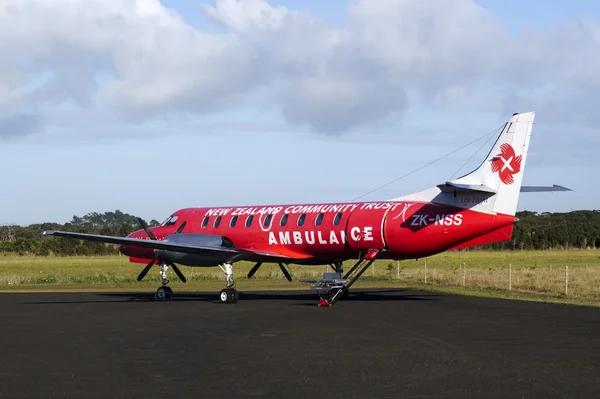
What to Expect During Long Distance Medical Transport for Patients
Long-distance medical transport is a critical service for patients who require specialized care or relocation over significant distances. Understanding what to expect during this process can help alleviate anxiety and ensure a smoother experience for both the patient and their loved ones.
The journey begins with meticulous planning, often involving coordination between healthcare providers, transport teams, and family members. A comprehensive evaluation of the patient’s medical condition is conducted to determine the most appropriate mode of transportation—be it ground ambulance, air ambulance, or commercial flight with medical escort. The choice depends on factors such as distance, urgency, and the patient’s health status.
Once logistics are settled, preparation focuses on ensuring that all necessary medical equipment and supplies are available for the trip. This includes oxygen tanks, ventilators, medications, and monitoring devices tailored to the patient’s specific needs. The transport team typically comprises trained professionals like paramedics or nurses skilled in providing in-transit care.
On the day of transport, patients are carefully transferred from their current location to the vehicle while maintaining continuity of care. The team monitors vital signs closely throughout the journey to promptly address any changes in condition. Communication is key; therefore, regular updates are provided to family members regarding progress and read more articles estimated arrival times.
Comfort during transit is another priority. Medical transports aim to create a stable environment by minimizing movement that could exacerbate discomfort or pain. Depending on travel duration and patient needs, provisions such as meals or rest breaks may be incorporated into plans.
Safety protocols are rigorously followed at every stage of long-distance medical transport. From securing patients properly within vehicles to adhering strictly to infection control measures especially relevant post-pandemic—every precaution ensures both patient safety and peace of mind for caregivers involved in transit operations.
Upon reaching their destination—whether it’s another hospital facility closer home base—the transition phase involves transferring responsibility back into hands familiar with ongoing treatment regimens already established prior departure point yet seamlessly integrated so continuity remains uninterrupted despite geographic shifts undertaken along way therefrom hereunto thenceforth hitherto wheresoever henceforward thereafterward notwithstanding thereby unto thereto hereinbefore hereinafter wherefore forthwith thereinunder whereby whereinwithin etcetera et cetera ad infinitum ad nauseam per se ipso facto de jure ex officio sui generis modus operandi bona fide pro bono quid pro quo habeas corpus mens rea nolo contendere res ipsa loquitur caveat emptor carpe diem tempus fugit veni vidi vici cogito ergo sum!