
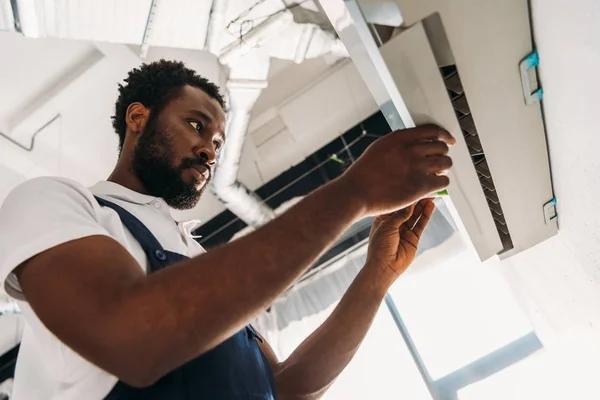
Professional Insights Into How HVAC Contractor Helps Diagnose Uneven Room Temperatures
Maintaining a comfortable indoor environment is essential for both residential and commercial spaces. Uneven room temperatures can disrupt this comfort, leading to dissatisfaction and potential health issues. An HVAC (Heating, Ventilation, and Air Conditioning) contractor plays a crucial role in diagnosing and resolving these temperature discrepancies.
When homeowners or business managers notice that certain rooms are warmer or cooler than others, it often indicates an underlying issue within the HVAC system. An experienced HVAC contractor begins by conducting a comprehensive evaluation of the entire system. This involves inspecting the furnace, air conditioner, ductwork, vents, and thermostats to identify any faults or inefficiencies.
One common cause of uneven temperatures is improper airflow due to blocked or leaky ducts. Over time, dust accumulation or physical damage can impede airflow through the ductwork. A skilled contractor uses diagnostic tools like manometers and flow hoods to measure static pressure and air velocity within the ducts. By pinpointing areas with restricted airflow or leaks, they can recommend solutions such as sealing leaks with mastic sealant or replacing damaged sections.
Another factor contributing to temperature variations is incorrect thermostat placement or malfunctioning thermostats. If a thermostat is installed near heat sources like direct sunlight or appliances that emit heat, it may inaccurately gauge the room’s actual temperature. Contractors assess whether relocating the thermostat could result in click here for more information accurate readings across different zones.
Furthermore, zoning systems play a significant role in maintaining consistent temperatures throughout a building. Inadequate zoning design might lead to one area receiving more conditioned air than necessary while another remains underserved. Contractors evaluate existing zoning setups using specialized equipment capable of measuring differential pressures between various zones—this helps them adjust dampers accordingly for balanced distribution.
An often-overlooked aspect influencing room temperatures includes insulation levels within walls and ceilings; inadequate insulation allows outdoor conditions to affect indoor climates significantly—especially during extreme weather conditions like summer heatwaves or winter chills—and results in noticeable disparities between rooms’ thermal comfort levels if not addressed promptly by professionals who understand how vital proper insulation installation techniques are when aiming towards achieving optimal energy efficiency standards indoors without compromising occupant satisfaction over time due primarily because poorly insulated spaces tend toward higher energy consumption rates overall compared against well-insulated counterparts operating under similar environmental circumstances outside their confines simultaneously too!
In conclusion: Diagnosing uneven room temperatures requires expertise from knowledgeable professionals familiarized extensively regarding diverse factors affecting modern-day heating/cooling systems alike comprehensively enough so they’re able accurately identify root causes behind such anomalies efficiently resolve them effectively ensuring occupants enjoy consistent climate-controlled environments regardless external influences impacting premises externally at any given moment ultimately enhancing quality life experiences therein consequently benefiting everyone involved positively long term!