
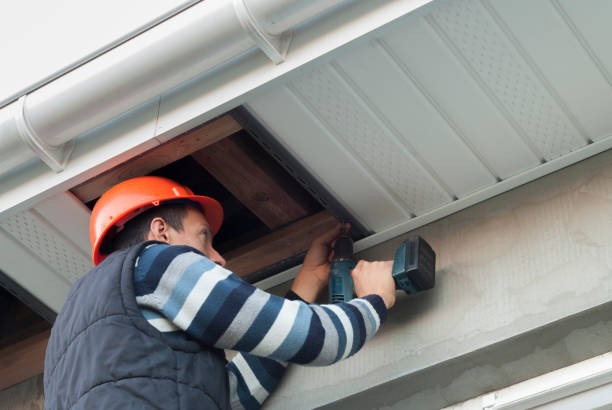
Choosing the Right Fascia Material for Durability
Selecting the appropriate fascia material is a critical decision that influences both the durability and overall appearance of a building. Fascia, the horizontal band that runs along the edge of the roof, serves not only an aesthetic purpose but also protects the underlying structure from weather damage. Given its exposure to various environmental elements such as rain, wind, sun, and temperature fluctuations, choosing a durable fascia material ensures long-term performance and reduces maintenance costs.
One of the primary considerations when selecting fascia material is its resistance to moisture. Since fascia boards are often subjected to rainwater runoff from gutters, materials prone to water absorption can warp, rot, or deteriorate quickly. Traditional wood fascias offer natural beauty but require regular treatment with sealants or paint to prevent moisture damage. Without proper maintenance, wooden fascias may develop cracks or become susceptible to insect infestations like termites. However, for those who prefer wood aesthetics and are willing to invest in upkeep, high-quality hardwoods treated with preservatives can provide reasonable durability.
Vinyl fascia has gained popularity due to its excellent resistance to moisture and low maintenance requirements. Unlike wood, vinyl does not rot or warp when exposed to water and resists fading caused by ultraviolet rays. Its flexibility also allows for easy installation around corners and irregular shapes. Nevertheless, vinyl can become brittle in extremely cold climates and may crack under impact or heavy stress.
Aluminum fascia combines strength with lightweight properties making it another durable option suitable for various environments. Aluminum does not rust like steel but requires protective coatings such as paint or anodizing treatments to prevent corrosion over time-especially in coastal areas where salt exposure is prevalent. This metal’s ability to withstand harsh weather conditions while maintaining structural integrity makes it ideal for commercial buildings as well as residential homes seeking longevity.
Fiber cement boards represent a modern alternative that blends durability with fire resistance and minimal upkeep needs. Made from a composite of cement reinforced with cellulose fibers, this material offers superior protection against moisture infiltration without swelling or rotting issues common in organic products. Fiber cement fascias are heavier than other options but provide excellent dimensional stability across temperature variations.
Ultimately, when choosing fascia material for durability purposes it is essential to evaluate factors including climate conditions specific to your location; budget constraints; desired visual appeal; ease of installation; and ongoing maintenance commitments required by each type of product available on the market today.