
Solar requirements for installations and electrical load planning
When planning a solar installation, understanding the requirements and accurately assessing the electrical load are essential to ensure efficiency, safety, and cost-effectiveness. Solar power systems convert sunlight into electricity, but their success depends on careful design tailored to specific energy demands and site conditions. The first step in any solar project involves evaluating the total electrical load that the system must support. This requires gathering detailed information on all appliances, devices, and equipment intended to run on solar energy. Knowing the wattage of each device alongside its expected daily usage helps calculate the overall energy consumption measured in kilowatt-hours (kWh). Accurate load estimation prevents under-sizing or over-sizing the system, both of which can lead to inefficiencies or unnecessary expenses.
Once the electrical load is determined, it is important to consider peak demand periods when multiple devices operate simultaneously. These peaks influence inverter sizing because inverters must handle maximum power output without failure. Selecting an inverter with adequate capacity ensures smooth operation during high-demand intervals while avoiding damage from overloads. Additionally, battery storage requirements depend heavily on how much energy needs to be stored for use during non-sunny hours or cloudy days. Batteries should be sized based on daily consumption patterns and desired visit our website autonomy time-the period one wishes to maintain power without sunlight.
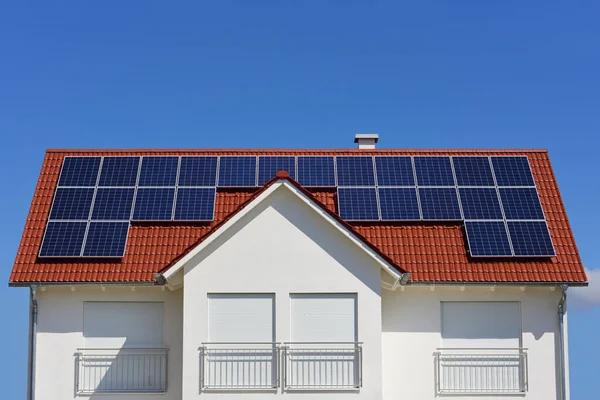
Site assessment plays a crucial role in meeting solar installation requirements as well. Factors such as geographic location, roof orientation and tilt angle affect how much sunlight reaches the panels throughout the year. Shading from nearby trees or buildings can significantly reduce system performance; therefore shading analysis is necessary before finalizing panel placement. Moreover, local climate conditions influence component selection since temperature extremes impact panel efficiency and battery lifespan.
Compliance with regulatory standards and safety codes cannot be overlooked during planning stages. Electrical wiring must adhere to national and local regulations regarding conductor size, grounding methods, disconnect switches, and protection devices like fuses or circuit breakers. Proper permits often require submitting detailed plans demonstrating adherence to these rules along with ensuring compatibility between system components.
In summary, successful solar installations rely on thorough electrical load analysis combined with careful consideration of environmental factors and compliance obligations. By matching system capacity closely with actual energy needs while accounting for site-specific variables and regulatory requirements, installers can deliver reliable renewable energy solutions that optimize performance over time without compromising safety or budget constraints.