
Understanding What to Expect During a New HVAC Installation
When considering a new HVAC installation, understanding the process and what to expect can help ease any concerns and ensure a smooth transition. Whether you’re replacing an old system or installing one for the first time, being informed about each step can make the experience more manageable.
The initial phase of an HVAC installation involves consultation with a professional contractor. During this stage, the contractor will assess your home’s heating and cooling needs by conducting load calculations. These calculations take into account various factors such as square footage, insulation levels, window types, and local climate conditions to determine the appropriate size and type of system required for optimal efficiency.
Once you have selected a suitable system based on these assessments, scheduling the Complete HVAC installation solutions in Renton day, technicians will arrive at your home equipped with all necessary tools and equipment. It’s advisable to clear pathways and remove any obstructions in areas where they’ll be working to facilitate easy access.
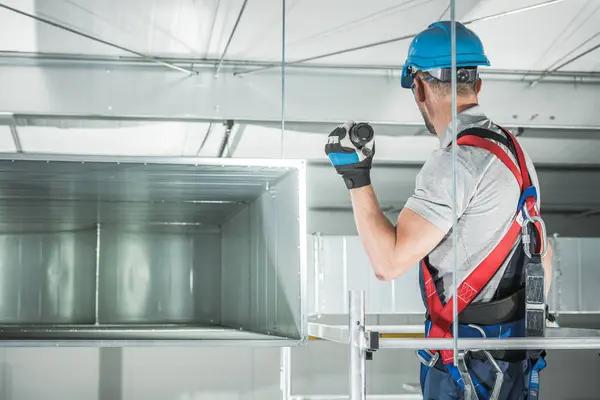
The actual installation process begins with removing any existing equipment if applicable. This may involve safely disposing of old units according to environmental regulations. The team will then proceed with setting up new components which typically include indoor air handlers or furnaces, outdoor condensers or heat pumps, ductwork modifications if needed, thermostats, and other relevant accessories.
During this phase, precision is key; technicians meticulously follow manufacturer specifications ensuring each component is correctly installed for maximum performance. They also focus on sealing ducts properly to prevent energy loss which could otherwise lead to increased utility bills over time.
After mechanical installations are complete comes electrical wiring connections followed by testing phases where systems are powered up for functionality checks. Technicians verify that everything operates smoothly — from airflow rates through vents down to thermostat controls responding accurately when adjusted by homeowners later on post-installation.